
In today’s fast-paced healthcare environment, timely diagnosis is critical. Delays in diagnostic results can mean delayed treatment decisions, prolonged hospital stays, and increased patient risk.
This is where Point-of-Care Testing (POCT) is making a significant impact.
What Is Point-of-Care Testing?
POCT refers to diagnostic tests performed at or near the patient’s location—whether it’s the bedside, in an ambulance, a clinic, or even at home. Unlike traditional laboratory testing, which often requires specimen transport and longer turnaround times, POCT delivers immediate results that can influence urgent clinical decisions.
Why Is POCT Becoming So Popular?
- Faster Results: One of the main advantages of POCT is its speed. Results can be available within minutes, enabling healthcare providers to make real-time decisions.
- Improved Patient Outcomes: When used appropriately, POCT leads to earlier diagnoses, quicker treatments, and better monitoring of chronic conditions like diabetes, heart disease, or infections.
- Accessibility in Remote Areas: POCT devices don’t need large lab infrastructure, making them ideal for use in rural or resource-limited settings.
- Reduced Burden on Labs: As hospitals and clinics grow busier, POCT helps reduce the workload on centralized laboratories, allowing them to focus on more complex testing.
- Common POCT Applications
- Blood glucose monitoring
- Cardiac biomarkers (like troponin)
- Rapid infectious disease testing (e.g. COVID-19, influenza)
- Urinalysis
- Blood gas analysis
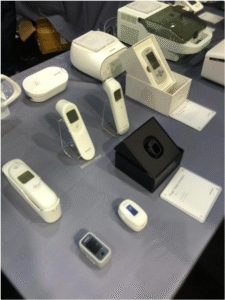
Many of these tests are now being performed with compact devices from leading manufacturers like Mindray and BioMérieux, which offer reliable, user-friendly platforms designed for quick and accurate results.

Considerations and Quality Control
Despite its benefits, POCT is not without challenges. Quality control and operator training are crucial to ensure accurate results. Hospitals and labs must implement strict protocols for calibration, maintenance, and data integration with electronic health records.
The Future of POCT
With the rise of telemedicine and home healthcare, POCT is expected to play an even larger role in the future of medicine. Innovations in biosensors, AI integration, and smartphone-based diagnostics are on the horizon, promising even greater accuracy and accessibility.
Conclusion
Point-of-care testing is no longer a supplementary tool — it’s becoming a standard part of clinical care.
As the demand for rapid diagnostics grows, investing in high-quality POCT devices and training will be essential for healthcare providers who aim to deliver faster, smarter, and more responsive care.
Interested in equipping your clinic or facility with reliable POCT solutions?
Contact us at CARE FIRST MEDICAL SUPPLY to explore our range of diagnostic devices, reagents and consumables from top-tier manufacturers.